Year
2026
Client
Glass & Concrete Tower
,
US
Role
Photographer
Category
Product Design
,
Creative Direction
Project Overview
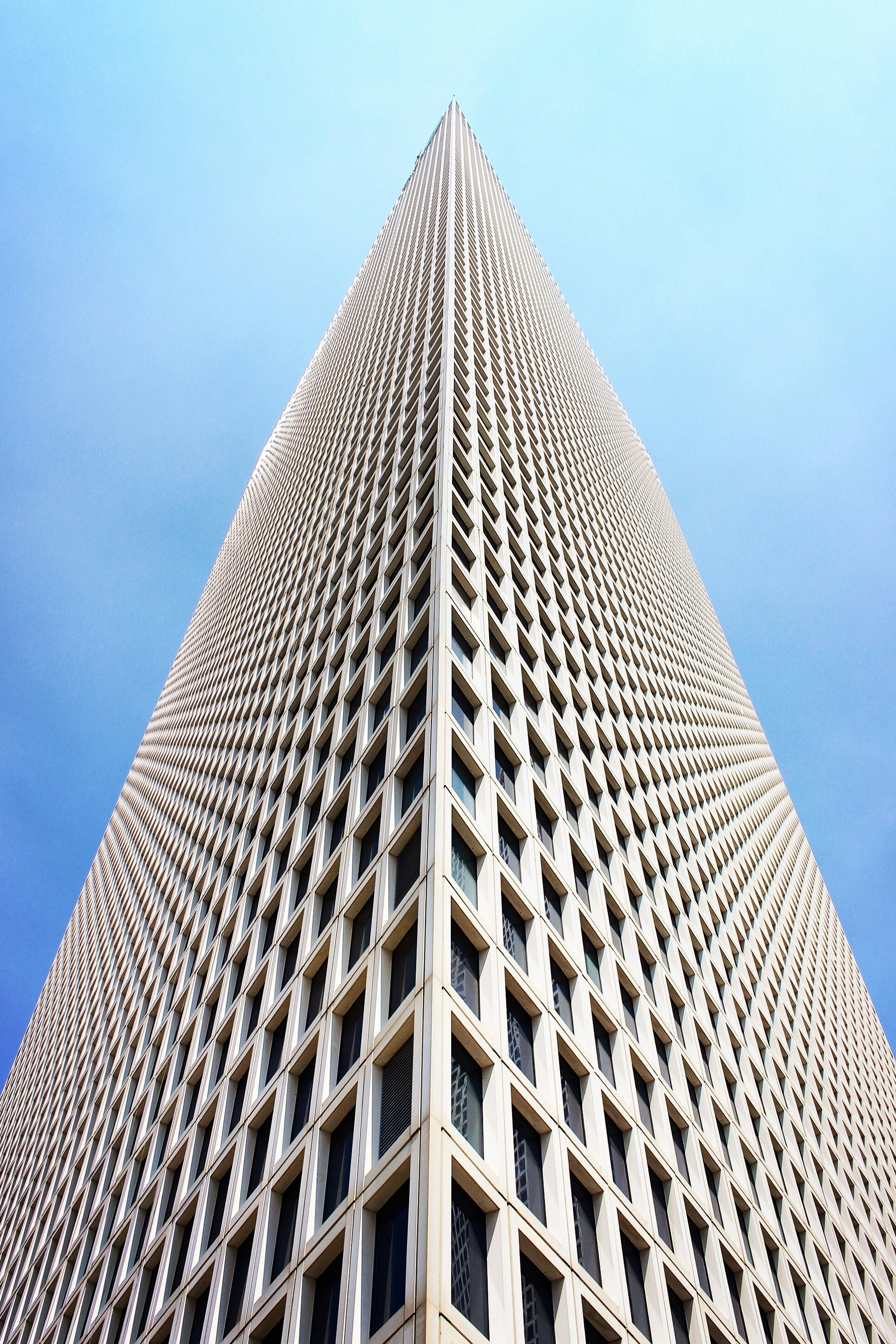
Apex Residences is a 32-story luxury residential tower located in the heart of Seattle's Belltown neighborhood. Designed by acclaimed architecture firm Perkins + Wolff, the building features a distinctive stepped facade that responds to zoning requirements while creating outdoor terraces for upper-level units.
The tower's materiality emphasizes verticality through floor-to-ceiling glass panels set within a rhythmic framework of charcoal-colored aluminum fins. At street level, a double-height lobby connects to a landscaped pedestrian plaza, creating a transitional space between the urban sidewalk and residential entry.
Interior spaces prioritize natural light and panoramic views of Elliott Bay and the Olympic Mountains. Common amenities include a rooftop terrace with outdoor kitchen, fitness center, residents' lounge, and ground-floor retail fronting 2nd Avenue.
The project was completed in 2024 after 28 months of construction, delivering 187 residential units ranging from studios to three-bedroom penthouses.
Challenge
Capturing verticality in a dense urban context
Photographing a 32-story tower in downtown Seattle presented significant spatial constraints. Surrounding buildings limited sightlines, making it difficult to capture the full elevation without severe perspective distortion.
Our challenge was threefold:
1. Reveal the stepped facade
The building's defining architectural feature—its terraced upper floors—needed to be visible and clearly articulated, not compressed or lost in wide-angle distortion.
2. Show contextual relationship
The tower's position within Belltown's evolving skyline was critical for marketing, requiring aerial perspectives that demonstrated proximity to Pike Place Market, the waterfront, and downtown core.
3. Balance exterior and interior narratives
Developer marketing needed both dramatic exterior shots for campaign hero images and warm, livable interior photography that appealed to prospective buyers—two very different tonal approaches that had to feel cohesive.
We solved this through a multi-day shoot combining ground-level tilt-shift photography, rooftop vantage points from neighboring buildings (coordinated access), drone aerials at dawn and dusk, and carefully timed interior shoots that maximized western light during golden hour.
The result: a comprehensive image set that communicated both architectural ambition and residential warmth—imagery that supported pre-sale marketing and continues to be used in the developer's portfolio.